






Is there anything more stressful than a toilet that refuses to flush properly? A blocked toilet can bring your household to a standstill, and knowing how to unblock a toilet quickly and safely can save you a great deal of time, money, and embarrassment.
At Chiltern Plumbing and Heating, we deal with blocked and troublesome toilets on a regular basis, so we know exactly what works and what to avoid. Whether you’re hoping to tackle the problem yourself or you’re unsure whether it’s time to call in a professional, this guide has you covered.
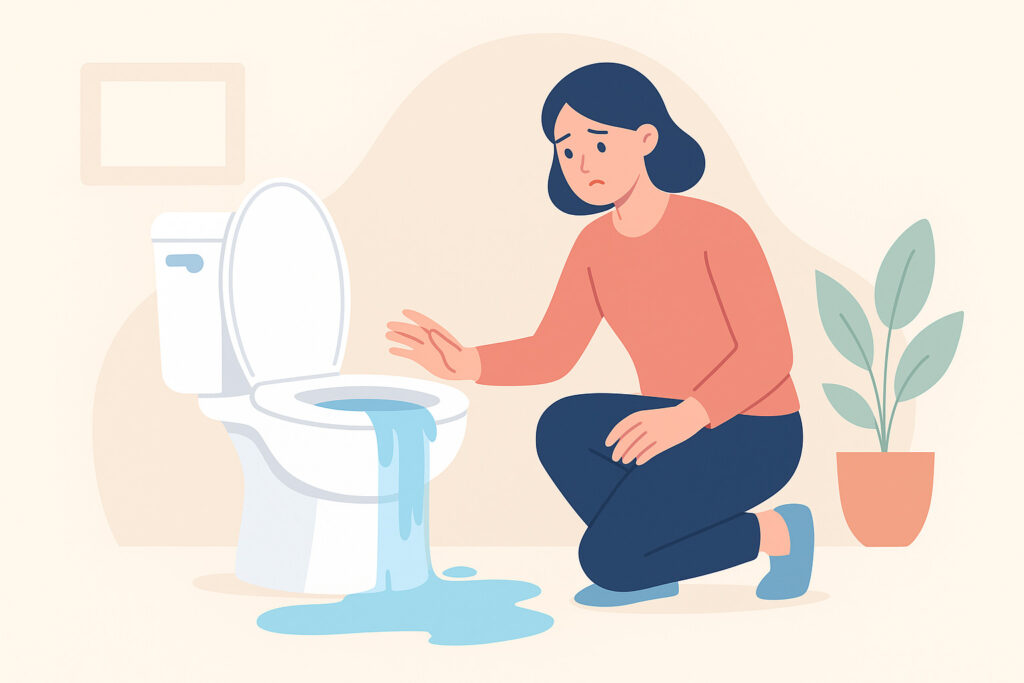
What Causes a Toilet to Block?
Before reaching for the plunger, it helps to understand what’s likely caused the blockage in the first place. The most common culprits include:
Flushing items that shouldn’t go down the toilet is by far the leading cause of blockages. Wet wipes, cotton wool, sanitary products, and excessive amounts of toilet paper can all build up over time and create a stubborn obstruction in the pipe.
In older properties, the issue can sometimes be further down the system altogether. Mineral deposits and scale can narrow the internal diameter of older pipework, making blockages more likely and harder to shift.
Tree root ingress is another cause that often goes undetected until a blockage becomes severe. This tends to affect properties with mature trees nearby, where roots have found their way into underground drainage.
How to Unblock a Toilet Yourself: The Basics
For minor blockages, there are a few tried-and-tested methods worth attempting before picking up the phone.
Start with a plunger. This is the go-to tool for most toilet blockages and is worth keeping in every home. Make sure you are using a proper toilet plunger with a flange (the rubber extension at the bottom), rather than a flat-cupped sink plunger. Place it firmly over the toilet drain opening, ensuring a good seal, and push and pull in a steady rhythm for around 20 to 30 seconds. Repeat several times if necessary. This action creates pressure that can dislodge whatever is causing the obstruction.
Try hot water and washing-up liquid. Squirt a generous amount of washing-up liquid into the bowl, followed by a jug of hot (not boiling) water poured from a height. Leave this to sit for 10 to 15 minutes. The detergent helps lubricate the blockage while the heat softens it, making it easier to flush away.
Use a toilet auger. Also known as a drain snake, a toilet auger is a flexible cable tool designed to reach further into the pipework than a plunger can. Feed it into the toilet drain and rotate the handle to break up or hook out the blockage. These are available from most DIY stores and are well worth the investment if blockages are a recurring issue.
How to Unblock a Toilet: What Not to Do
It’s just as important to know what to avoid when dealing with a blocked toilet.
Do not use chemical drain unblockers in toilets. Products designed to clear sink or bath drains can damage the internal glazing of your toilet bowl, degrade rubber seals, and cause problems further down your pipework. They are also a hazard if they splash back during flushing.
Avoid using excessive force with any tool. Pushing too hard with a plunger or auger risks cracking the ceramic or damaging the pan connector, turning a simple blockage into a much costlier repair.
Never flush repeatedly in the hope the blockage will clear on its own. This is one of the most common mistakes people make, and it can cause the bowl to overflow, leading to water damage and an unpleasant mess to deal with.
When to Call a Professional Plumber
Knowing how to unblock a toilet is useful knowledge, but there are situations where a DIY approach simply isn’t sufficient.
If you have tried the methods above without success, or if the blockage keeps returning, the problem is likely further down your drainage system and will require professional equipment to locate and clear it properly.
You should also call a plumber if you notice any of the following: water backing up into other drains when you flush, gurgling sounds coming from nearby sinks or baths, signs of water around the base of the toilet, or any visible cracks in the toilet pan or cistern.
Leaving these issues unresolved can lead to much more significant damage, including structural water damage or sewage backing up into your home, so it’s always better to act sooner rather than later.
Looking After Your Toilet to Prevent Future Blockages
Once you’ve resolved the immediate problem, it’s worth taking a few simple steps to reduce the likelihood of it happening again.
Only flush toilet paper down the toilet, and where possible, choose a thinner, more easily dissolved variety. Keep a waste bin in your bathroom for wipes, cotton wool, and similar items, and make sure everyone in your household knows what can and cannot be flushed. If your property has older pipework, it may also be worth having a CCTV drainage survey carried out to check for any underlying issues that could be causing repeated blockages.
Leave It to the Experts at Chiltern Plumbing and Heating
We understand that a blocked toilet is something you want sorted as quickly as possible. Our experienced team is on hand to help with everything from a stubborn blockage to a full toilet repair, and we’ll always give you honest, straightforward advice about the best course of action.
If you’re based in or around Aylesbury and you’re struggling with a blocked or faulty toilet, don’t put it off. Contact us here for toilet repairs Aylesbury.